The global livestock industry, particularly swine farming, is at a critical inflection point. Faced with escalating labor costs, persistent disease outbreaks, and increasing consumer demand for sustainable and ethical production, traditional farming methods are proving unsustainable. The solution lies in the convergence of deep technology and agricultural science, a domain where TrackFarm is establishing itself as a significant innovator. By deploying a comprehensive AI-powered smart livestock farming solution, TrackFarm is not merely optimizing existing processes but fundamentally transforming the economics and operational efficiency of pig farming.
The Technical Imperative for Smart Swine Farming
The challenges in modern pig farming are multifaceted, ranging from the micro-level of individual animal health to the macro-level of global supply chain resilience.
Labor and Operational Efficiency
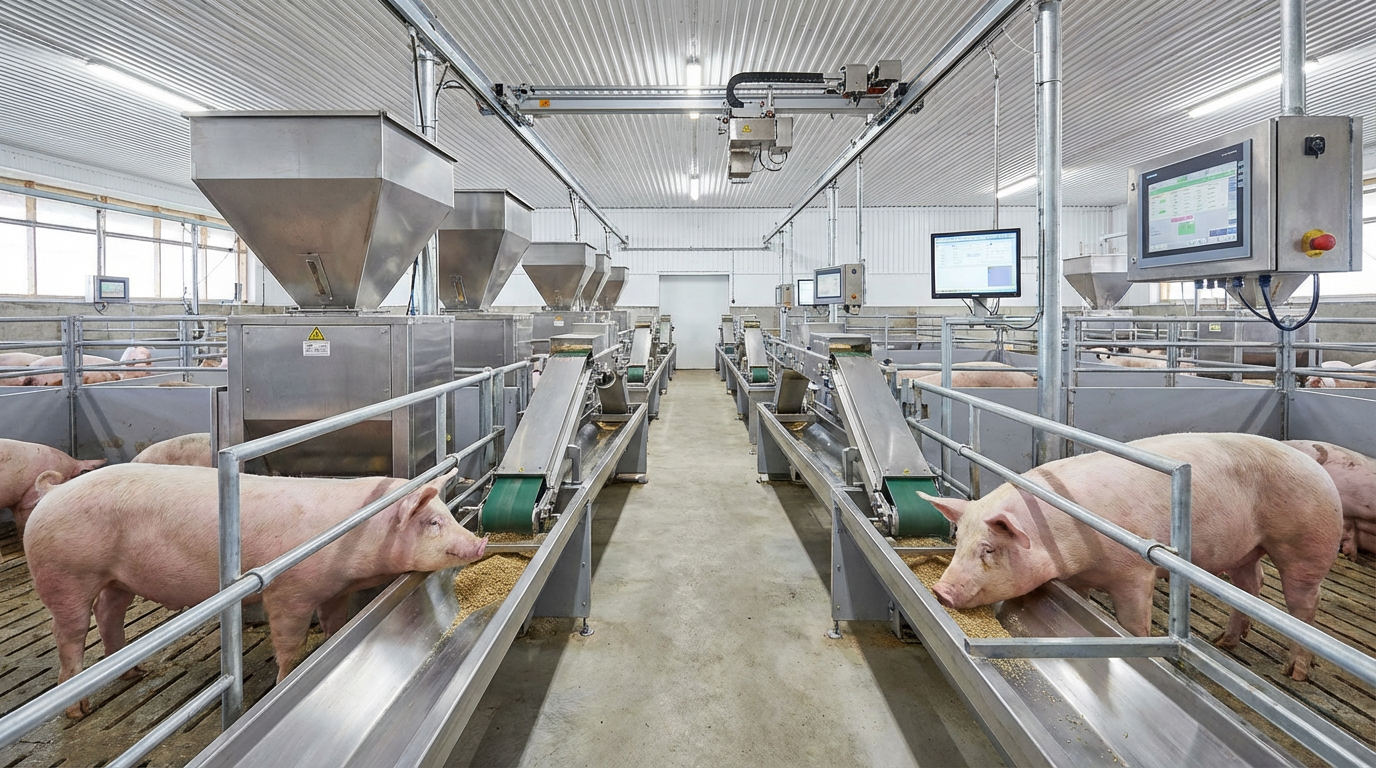
The swine industry is notoriously labor-intensive, often classified as a “3D” (Dirty, Difficult, Dangerous) industry, leading to a shrinking and aging workforce. TrackFarm addresses this by implementing a high degree of automation, claiming a 99% reduction in labor costs through its integrated system. This is achieved by shifting the primary management burden from manual observation and intervention to automated, data-driven monitoring.
Disease Management and Mortality
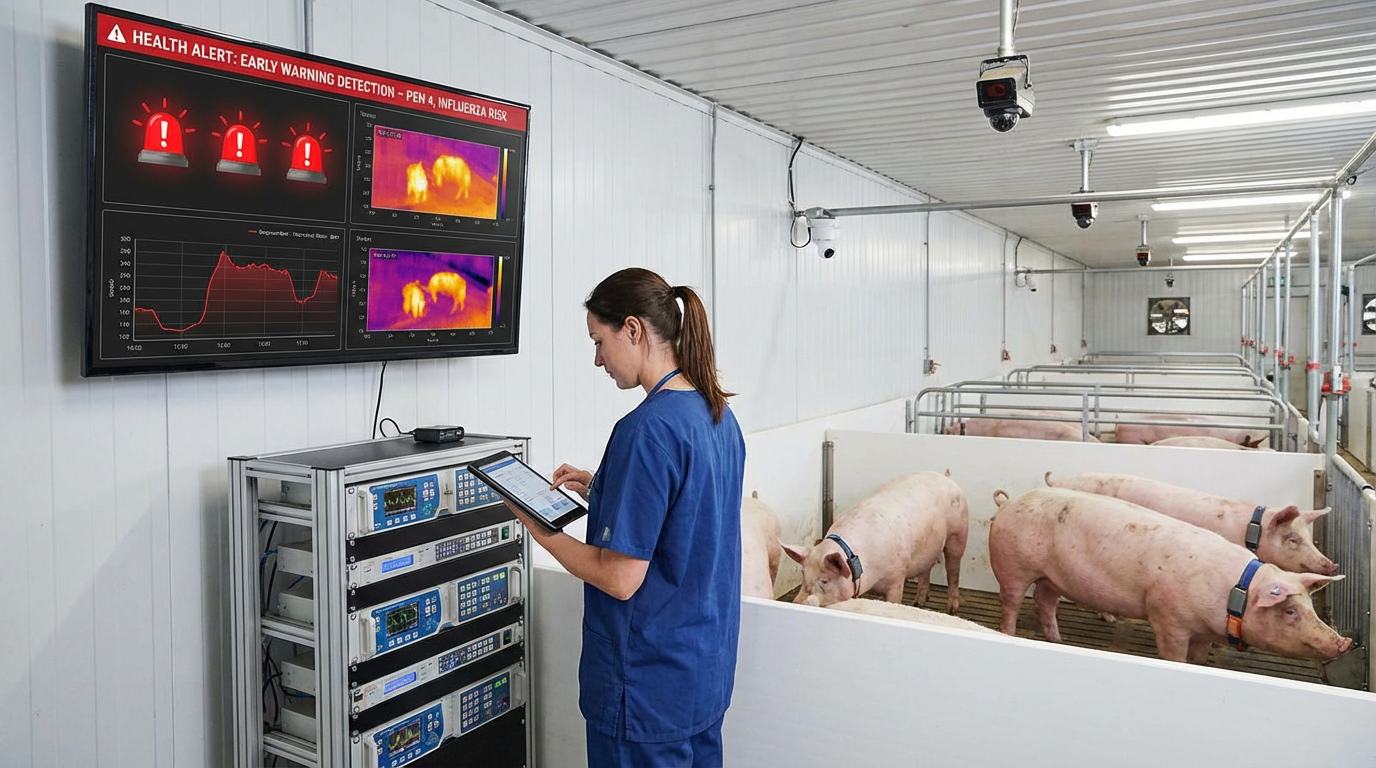
High mortality rates, particularly in regions like South Korea where rates can approach 20%—significantly higher than in major overseas countries—represent a massive economic and welfare loss. Diseases such as Porcine Reproductive and Respiratory Syndrome (PRRS) and African Swine Fever (ASF) require rapid, accurate detection and isolation. TrackFarm’s deep learning models are specifically trained to provide disease prediction and early warning, moving from reactive treatment to proactive prevention.
Productivity and Feed Conversion
Productivity in many regions lags behind global benchmarks. For instance, Korean farms reportedly achieve only 60% of the productivity of their overseas counterparts, while incurring 1.5 times the feed cost. This inefficiency is often linked to inadequate management of sows, early-weaning piglets, and a lack of real-time health status monitoring. TrackFarm’s system is designed to optimize growth prediction and feed management, directly tackling these productivity gaps.
DayFarm: The Integrated Technology Platform
TrackFarm’s solution is encapsulated within its DayFarm platform, an integrated ecosystem comprising three core technological pillars: Software (SW), Internet of Things (IoT), and ColdChain logistics. This holistic approach ensures data continuity and management across the entire “Production To Consumption” value chain.
1. Deep Learning Software (DayFarm SW)
The core of TrackFarm’s innovation is its proprietary deep learning engine, which processes vast amounts of visual and environmental data to generate actionable insights.
Vision-Based AI Monitoring
The system utilizes AI cameras to monitor all pigs within the farm environment. A key technical specification is the coverage ratio: one camera per 132 square meters (㎡). This density ensures comprehensive, non-invasive, and continuous surveillance.
The deep learning models are trained on a massive dataset, boasting 7,850+ individual pig model data points. This extensive, real-world data allows the AI to perform several critical functions:
- Object Management: Accurately detecting, tracking, and identifying individual pigs, even in crowded or low-light conditions. This is crucial for individual-level health and growth tracking.
- Behavioral Analysis: Monitoring movement patterns, feeding habits, and social interactions to detect subtle deviations that may indicate stress, illness, or estrus.
- Growth Prediction: Using visual data (e.g., body size, weight estimation via 3D reconstruction) to predict growth trajectories and optimize the timing for market readiness.
Thermal Imaging and Health Prediction
In addition to standard visual spectrum analysis, the system incorporates thermal imaging. This technology is vital for disease prevention as it allows for the non-contact measurement of body temperature and the detection of localized inflammation or fever, often the earliest signs of a systemic infection. The combination of visual and thermal data provides a robust, multi-modal input for the AI’s predictive models.
Daily Reporting and Intervention
The software synthesizes this complex data into a daily report for each pig, enabling farmers to respond accurately and quickly. This shift from generalized herd management to precision livestock farming at the individual level is a paradigm change.
2. IoT Sensor Network (DayFarm IoT)
The deep learning software is supported by a robust network of IoT sensors and hardware that monitor the farm’s environmental conditions. These sensors are essential for maintaining optimal living conditions, which directly impact pig health and growth.
| Monitored Parameter | Sensor Type (Inferred) | Impact on Pig Farming |
|---|---|---|
| Temperature & Humidity | Thermistor, Hygrometer | Prevents heat stress, optimizes feed conversion ratio. |
| Air Quality | Ammonia (NH₃), Hydrogen Sulfide (H₂S) | Reduces respiratory disease risk, improves welfare. |
| Ventilation Rate | Anemometer, Flow Sensor | Ensures adequate oxygen supply and removal of harmful gases. |
| Water/Feed Consumption | Load Cells, Flow Meters | Early detection of illness (reduced intake) and optimization of feeding schedules. |
This IoT infrastructure provides the environmental context necessary for the AI to differentiate between behavioral changes caused by illness and those caused by environmental stress.
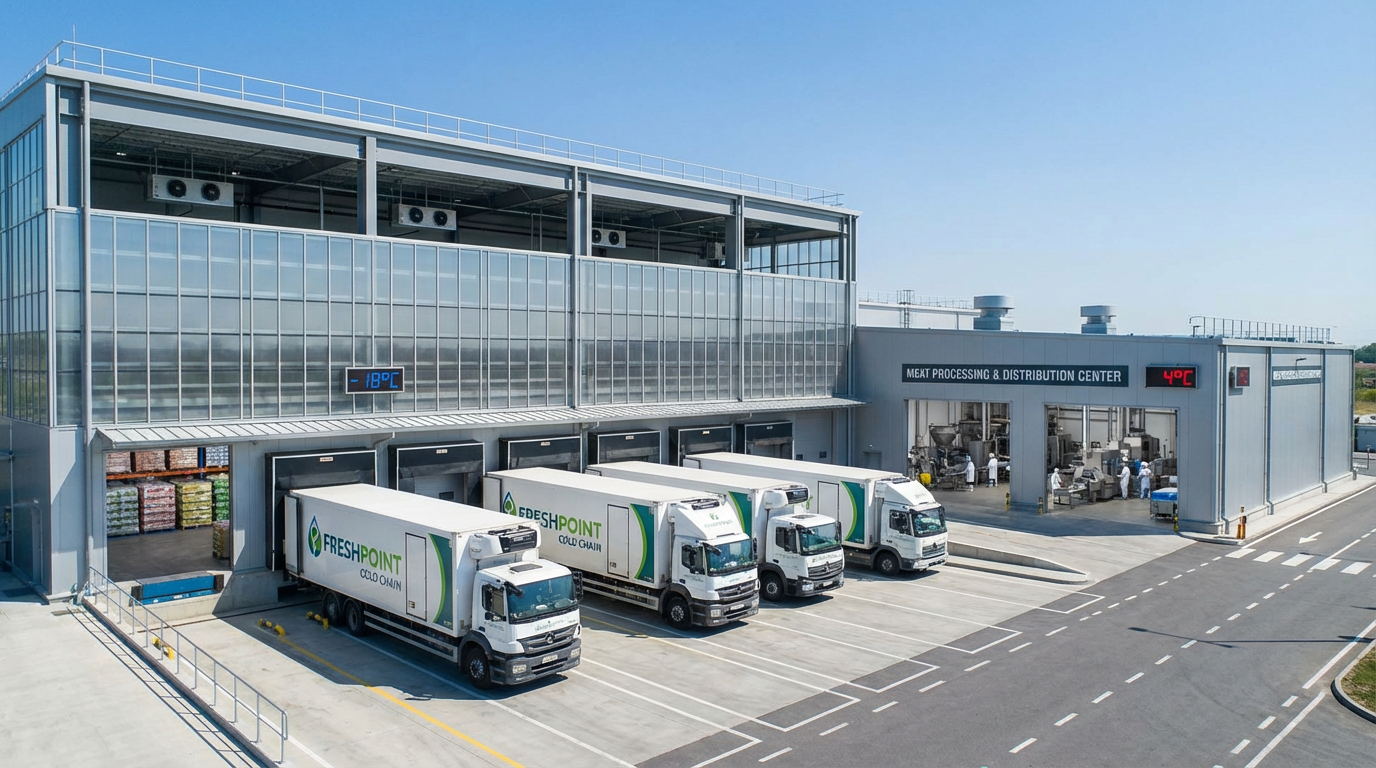
3. ColdChain Logistics (DayFarm ColdChain)
Completing the “Production To Consumption” vision, the ColdChain component focuses on the logistics of getting the product to market efficiently and safely. While specific technical details are less public, this pillar implies a system for monitoring and managing the temperature and handling of pork products post-harvest, ensuring quality and reducing spoilage, thereby maximizing the value of the efficiently produced livestock.
Market Analysis and Business Model
TrackFarm’s technology is strategically positioned to capture significant value in key global markets.
Target Markets and Global Strategy
TrackFarm is actively targeting markets with high growth potential and significant existing challenges:
- Korea: The home market, serving as the primary R&D farm location (Gangwon-do Hoengseong-gun, 2,000+ pigs) and a proving ground for technology validation.
- Vietnam: A critical international market, hosting a Vietnam Farm (Ho Chi Minh Dong Nai, 3,000+ pigs). Vietnam is the 3rd largest pig market globally, with over 28 million pigs and a highly fragmented structure of 20,000+ small farms, making it an ideal candidate for scalable, labor-saving technology.
- Southeast Asia & USA: Future expansion targets, leveraging the success in Vietnam as a blueprint for entry into other developing and developed agricultural economies.
The company’s global ambition is underscored by its participation in major international events like CES 2024/2025 and its selection for the prestigious TIPS program 2023 in Korea, which supports promising technology startups.
Revenue Model and Economic Impact
TrackFarm employs a multi-tiered revenue model that captures value across the entire farming lifecycle, demonstrating a clear path to profitability and scalability.
| Revenue Stream | Pricing Model | Economic Value Proposition |
|---|---|---|
| Hardware/Software (HW/SW) | $300 per pig per year | Recurring revenue from the core AI monitoring and IoT system, providing continuous data and labor savings. |
| Breeding Management | $330 per pig | Value-added service focusing on optimizing the breeding cycle, increasing litter size, and reducing sow mortality. |
| Processing/Logistics | $100 per pig | Revenue from the ColdChain and processing optimization, ensuring high-quality market-ready product. |
This model is designed to generate substantial returns for the farmer by significantly reducing operational costs (labor, feed, mortality) and increasing overall yield and product quality. The initial investment is quickly offset by the claimed 99% labor cost reduction and improved productivity metrics.
Technical Specifications and Performance Metrics
The effectiveness of the TrackFarm system can be quantified through several key performance indicators (KPIs) and technical specifications.
Data and Model Robustness
The foundation of the AI’s performance is the quality and quantity of its training data. The 7,850+ individual pig model data represents a diverse and rich dataset, crucial for training deep learning models that can generalize across different breeds, farm environments, and stages of growth. The continuous data collection from partner farms (10+ farm partnerships) ensures the model remains robust and adapts to new challenges, such as emerging disease strains or changes in farming practices.
System Architecture
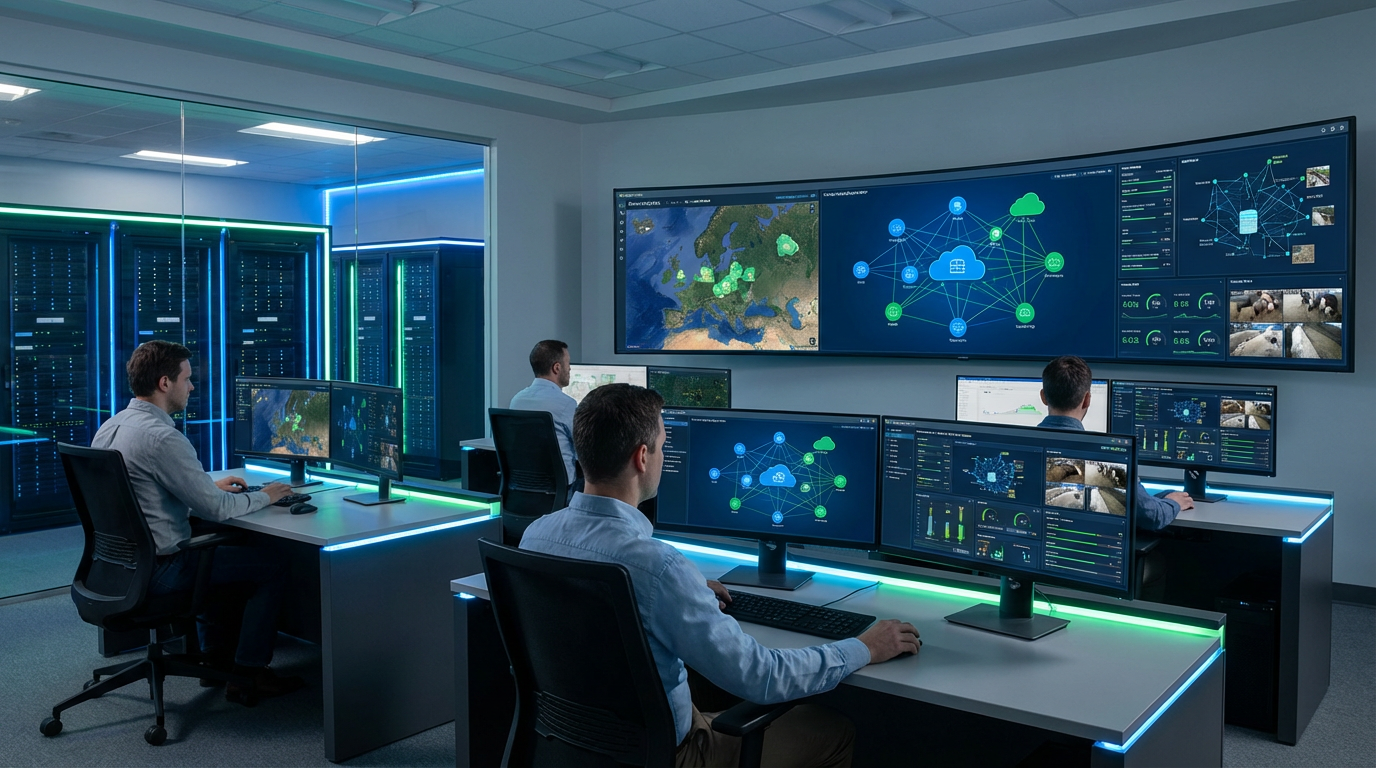
The system operates on a decentralized data collection model (IoT sensors and cameras) feeding into a centralized, cloud-based deep learning processing unit. This architecture allows for real-time analysis and immediate alerts, which is vital for time-sensitive interventions like disease detection or farrowing assistance.
| Component | Function | Technology |
|---|---|---|
| Data Acquisition | Continuous, non-invasive monitoring | AI Cameras, Thermal Imaging, IoT Sensors |
| Data Processing | Real-time analysis and prediction | Proprietary Deep Learning Models |
| Output/Interface | Actionable insights and control | DayFarm SW (Daily Reports, Alerts) |
Strategic Partnerships
TrackFarm’s credibility and technical reach are bolstered by its strategic partnerships, which span academia, industry, and international commerce:
- Academic: Seoul National University, Korea University (ensuring cutting-edge research and talent pipeline).
- Industry/Commercial: CJ VINA AGRI, VETTECH, INTRACO (facilitating market entry, distribution, and integration with existing agricultural supply chains, particularly in Vietnam).
Conclusion: A New Era of Precision Swine Farming
TrackFarm’s integration of deep learning, IoT, and ColdChain logistics represents a significant leap forward for the global pig farming industry. By providing a solution that is technically sophisticated yet operationally simple, the company is directly addressing the most pressing challenges of labor scarcity, disease risk, and low productivity. The ability to monitor every pig individually, predict health issues before they become crises, and optimize the entire production-to-consumption cycle positions TrackFarm as a leader in the emerging field of Precision Swine Farming. The company’s rapid expansion into the Vietnamese market, coupled with its strong R&D foundation in Korea, suggests that its vision of “From Production To Consumption” is not just a mission statement, but a rapidly materializing reality that will define the future of sustainable and efficient livestock agriculture.